
-
And what a party it was
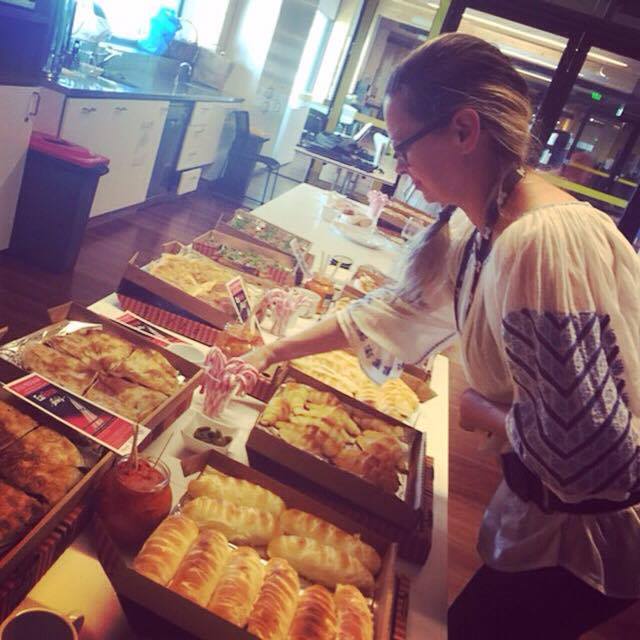
This year of EuRaw Stories couldn’t have happened without your support. We are so happy you accepted our invite and delved into the Eastern European film world without reserve. And thank you for being there with us last Saturday for our final screening of this year. We screened a fantastic Russian film, we ate delicious freshly baked Balkan food, and had an amazing band playing live for us all the way from Romania. We’re now working feverishly on our program for next year, and thinking how we can make EuRaw Stories bigger and better. Stay tuned for updates. Buy a… [Read more]
-
This Saturday at EuRaw Stories: Balkan delicacies

We have a special treat for you on Saturday: traditional Balkan delicacies from Grannys Burek. This is your chance to try recipes sourced from Bugojno to Zagreb and baked by a Bosnian baker in Melbourne. Words you’ll add to your vocabulary after Saturday: burek, kiflice, slanci and sweet apple pita. Be there to try them all, delicious and freshly cooked for you. See you on Saturday then. 2.30pm at Library at the Docks. [Read more]
-
From book to blockbuster
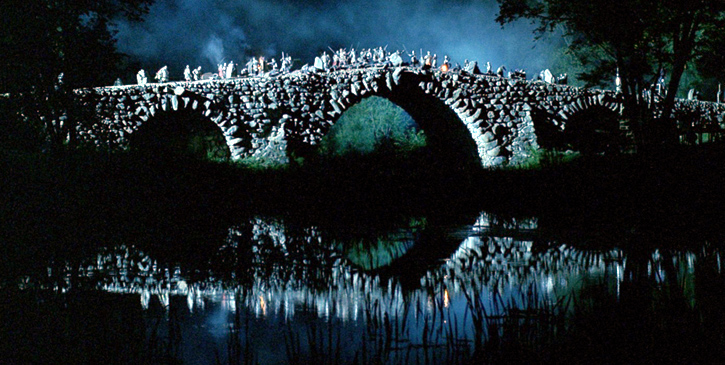
A former psychiatrist wrote a fantasy trilogy, which became a film, which became the first blockbuster in Russian film history. Originally a psychiatrist, Sergei Lukyanenko always wanted to write a fantasy novel set in modern times. I’d been eager to write fantasy for quite some time… Then, I had an intriguing notion: this idea of the Night as a battlefield for magicians who live in hiding among us ordinary people and can only fight when it won’t disturb humanity. Before the film was made, Night Watch was part of fantasy series with a serious following, with 500,000 copies sold. Since… [Read more]
-
Party like it’s Eastern Europe

Important diary entry: EuRaw Stories closing party next Saturday 3 December (after the screening at 2.30pm), at Library at the Docks in Docklands. For next Saturday’s event we have planned much more than just a film screening. We intend to celebrate our first year of Eastern and Central European film in Melbourne with a party to remember. We would hate for you to miss it. Here’s what we thought you might enjoy: a Russian blockbuster to transport you across the continents to Moscow heartwarming Eastern European fare and drinks dance-inducing rhythms to cure any non-dancer lovely people to chat to,… [Read more]
-
Russia’s break into blockbuster territory
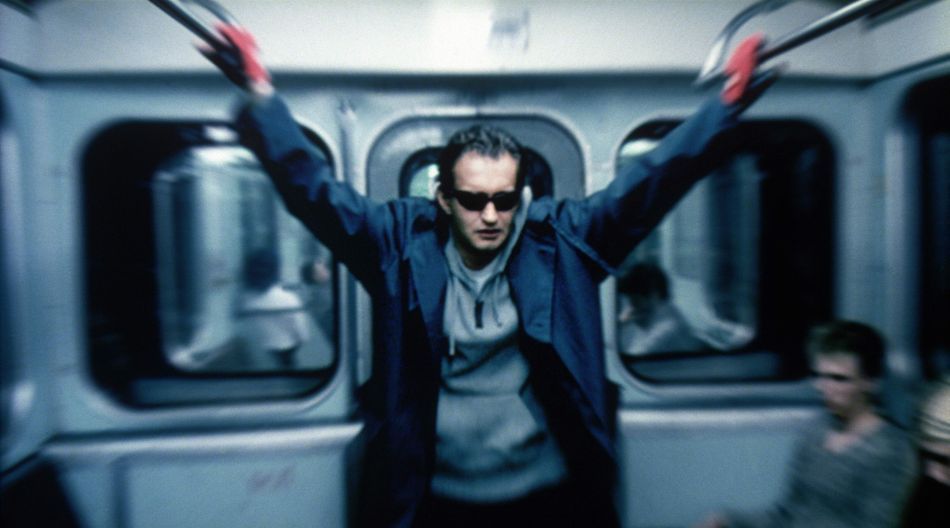
‘We’re not producing a film, we’re producing an event, said director Timur Bekmambetov about Night Watch (Nochnoi Dozor), the stylish fantasy film that revolutionised post-Soviet cinema. Night Watch came at a time when Russian audiences were hungry for home-grown film fare, with settings and plots they could relate to. ”People got tired of seeing movies filmed in New York, which seemed exotic and which presented no context for their daily lives,” said Konstantin Ernst, the film producer. The few Russian films made in the 90s were generally art-house small productions financed by wealthy businessmen. Mass audiences still didn’t get their… [Read more]
-
Alice Gruia in conversation
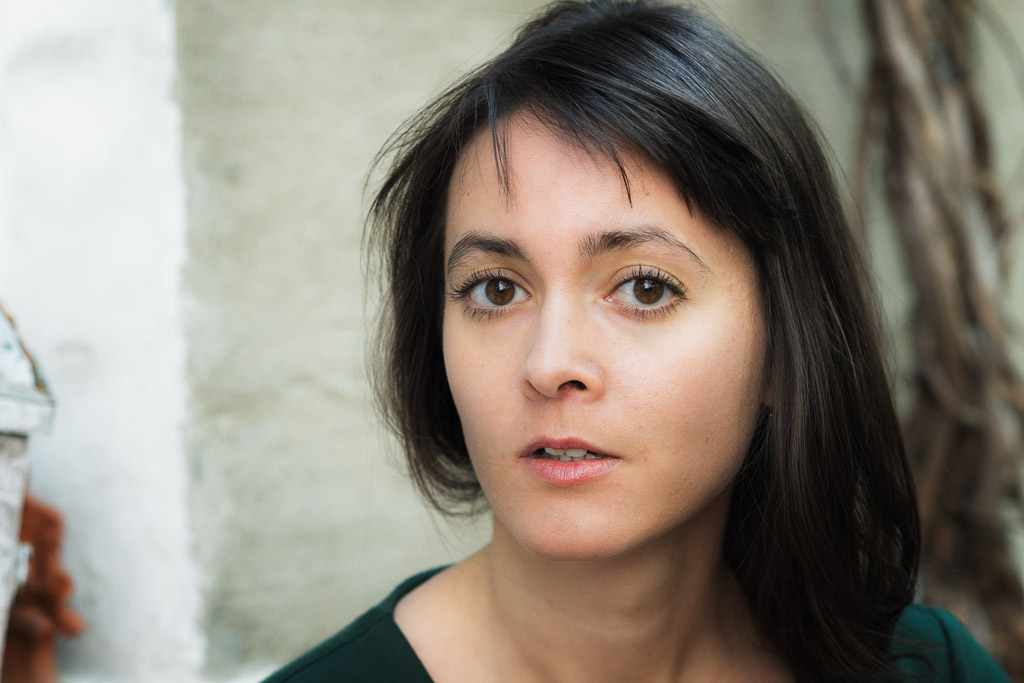
What would you ask Alice Gruia, the filmmaker of Rodicas, if you had the chance to? Get your questions ready because she’s joining us on Sunday via Skype. Alice Gruia will join us for an intimate conversation this Sunday after the screening. The filmmaker will connect via Skype from Germany to chat about her experience of directing Rodicas. Alice Gruia is a German actor, writer and director with Romanian roots. Her award-winning documentary, Rodicas, features two octogenary best friends, one of which is her own grandmother. This is the perfect opportunity to look closer into the process of directing a… [Read more]
-
How to depict old age without sentimentality
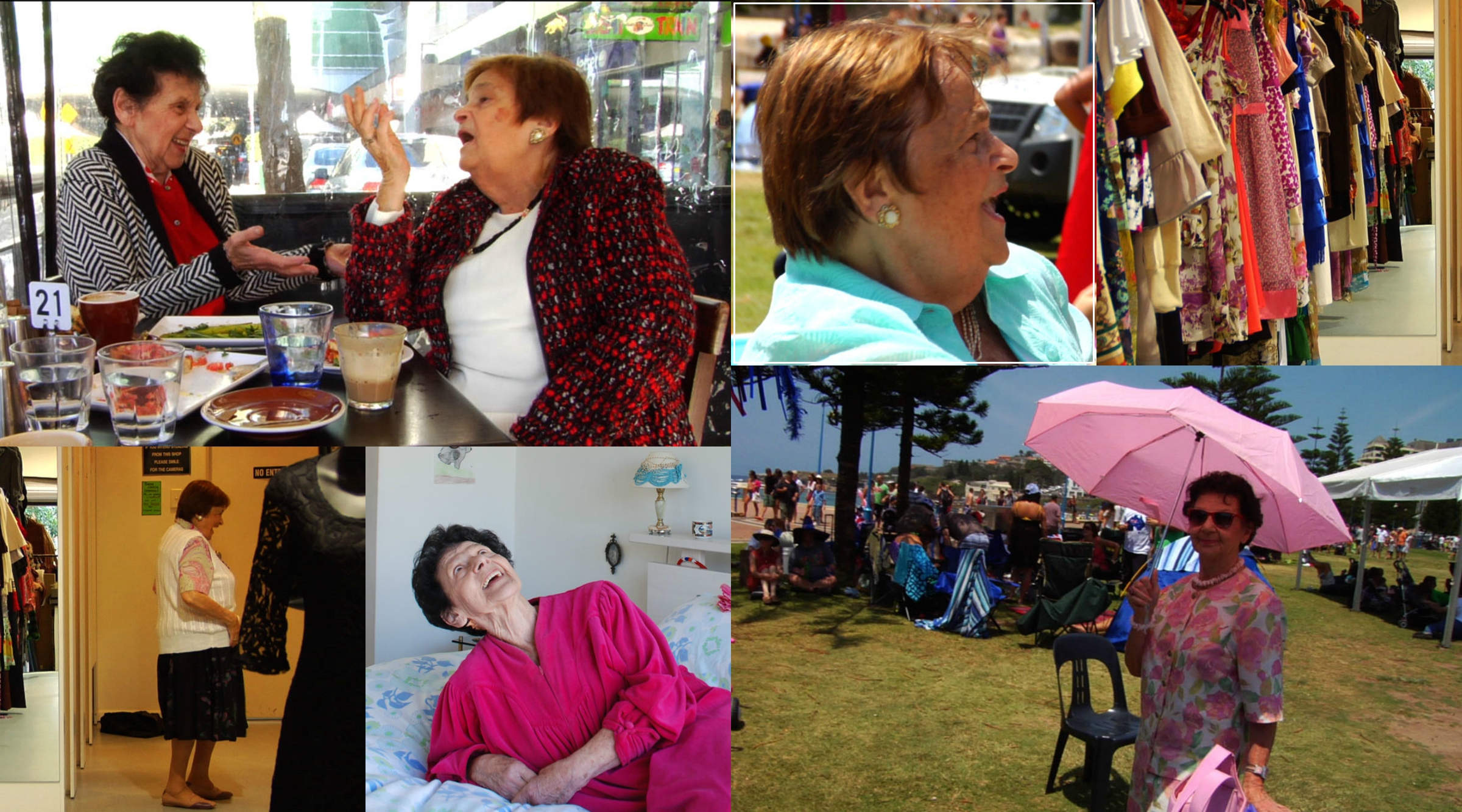
Older characters can often be cliched in films: cranky and sentimental for the old times, almost inviting sympathy from audiences. Not in Rodicas. The two octagenarians don’t have time to feel sorry for themselves. Director Alice Gruia didn’t want to have her two protagonists sitting down with a photo album, reminiscing times long gone. The two women are on the move, they have an active life going for coffees, walks on the beach, cultural events. Their conversation topics vary from sex and gin to career and philosophy. I was more interested in how they are right now. I was talking… [Read more]
-
Film friendships
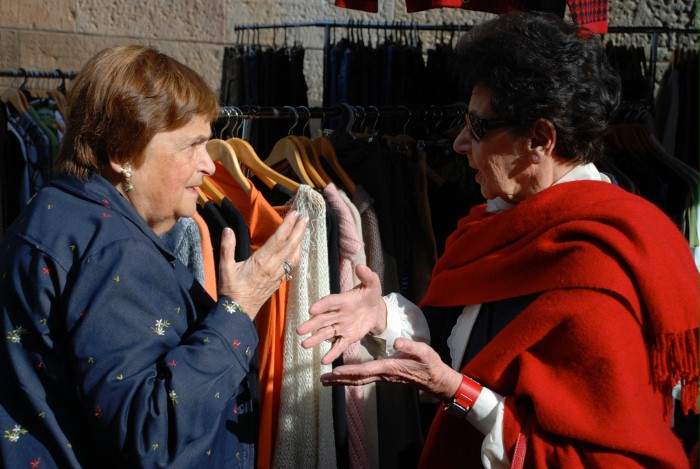
From Thelma and Louise to Napoleon and Pedro, friendships have often been the motor that keeps a film moving. Rodica and Rodica are another example of what an impact friendships can have on us. They can bring meaning to our lives and help us grow. They can stretch us further than we’re comfortable going, drive us mad and push us to take more risks. In each other’s company, the two Rodicas become youthful, jovial and giggly, borrowing energy from each other. Here are some other memorable screen duos: Mathilda and Leon in Leon Frances and Sophie in Frances Ha Pedro… [Read more]
-
Timeless and meditative – cinematography in Ida
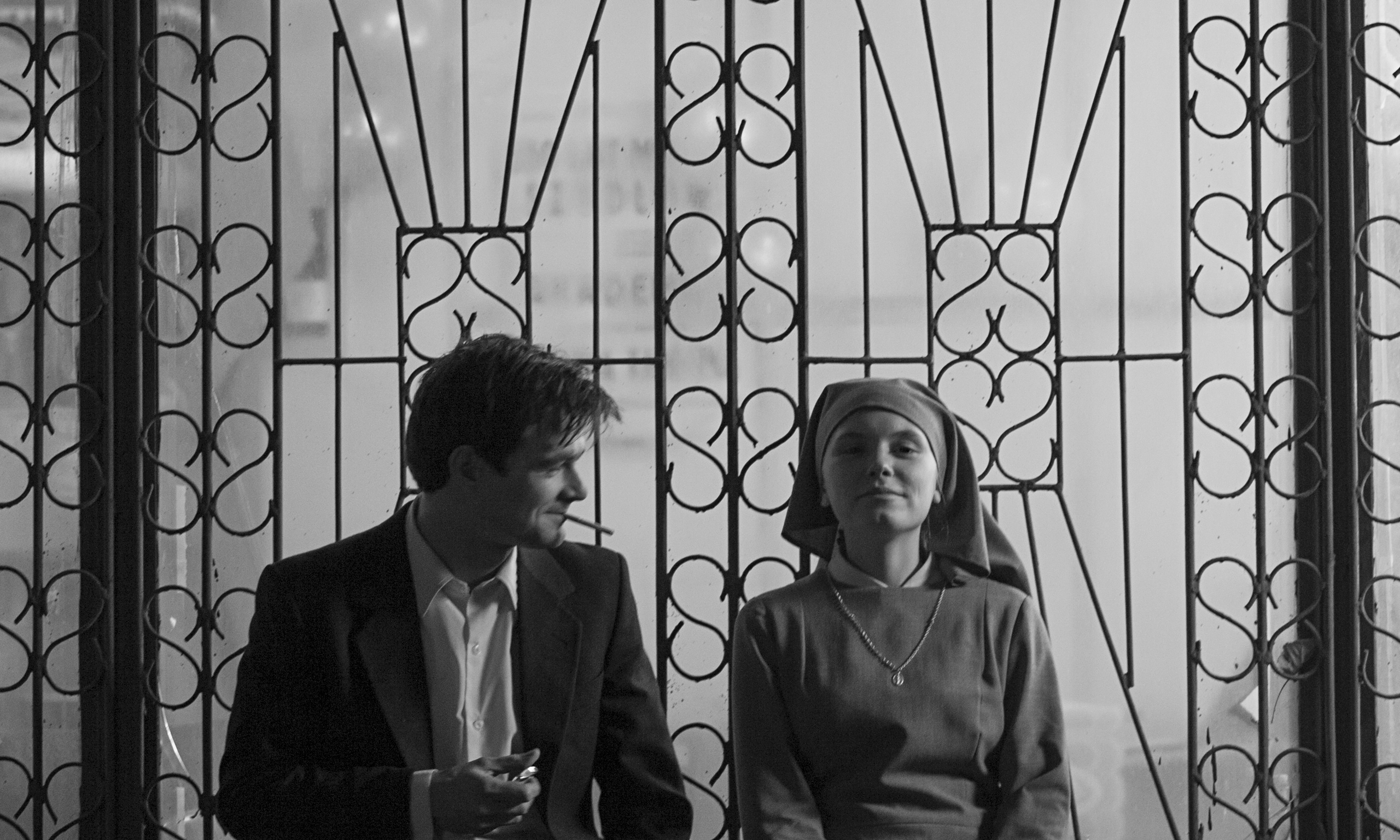
In a film environment defined by fast pace, quick cuts, compulsive dialogue and music prompting our emotional responses, Ida’s stillness comes almost as a shock. Apart from the last two scenes, the camera doesn’t move, and the scenes are one take, invoking a state of contemplation. The important scenes do not arrive with bells, whistles or music to arouse expectations. The raw emotion comes unadorned, unannounced and hard hitting. From the opening scene, the film is a continuous display of perfect frames, worthy of gallery spaces. Pawlikowski’s use of light and austere surroundings makes for a constrasting backdrop for Ida’s… [Read more]
-
Pawel Pawlikowski – the ‘amateur’ director who won an Oscar
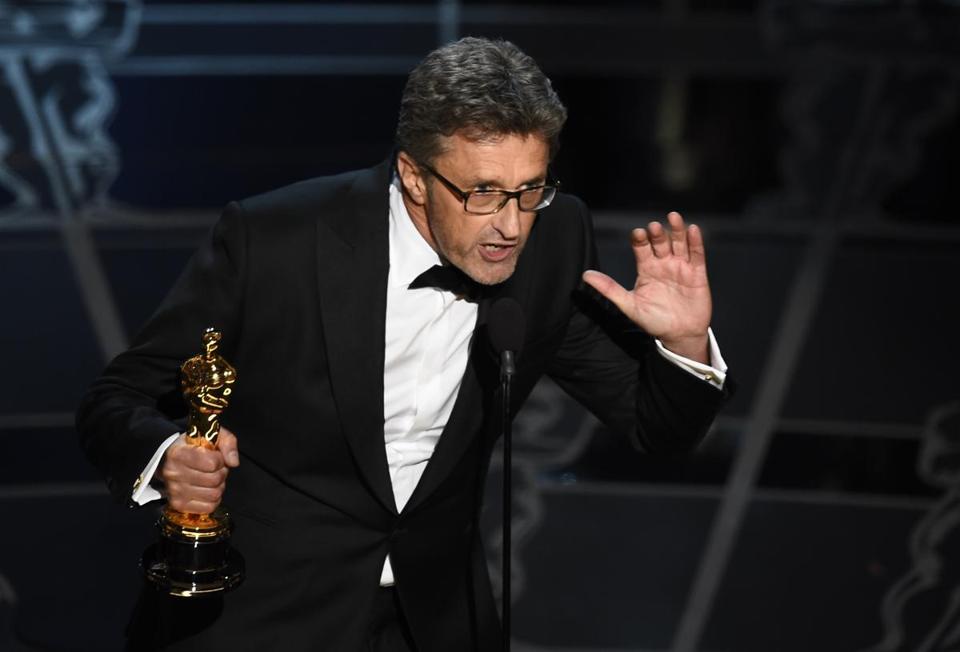
I predict that by the time you will finish reading this post, you will want to know more about Pawel Pawlikowski and see all his films. My own research led me into a Pawlikowski internet black hole. With every quote, he become more intriguing. He follows his nose and curiosities like few others. He never seems driven by commercial goals and he has been known to drop projects when he felt a film was out of his creative control. ‘I stayed an amateur who needed to live a bit in order to make films. I don’t need to be on… [Read more]
-
Ida explores ‘different versions of Polishness’
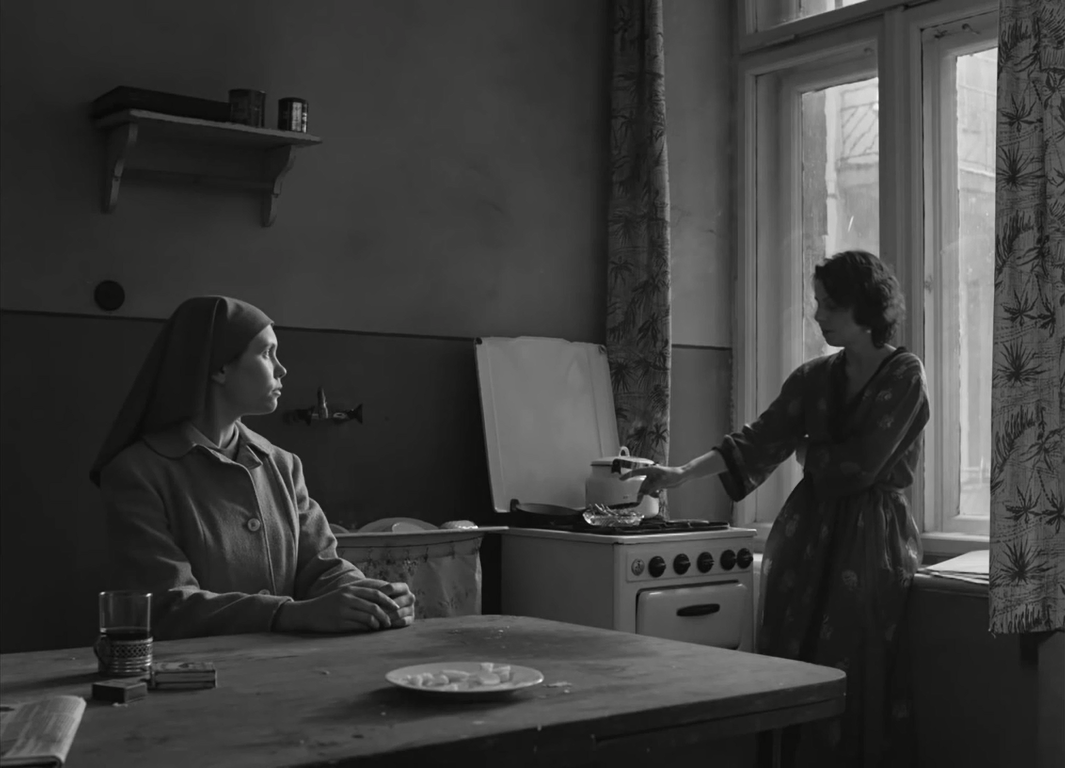
Ida has been described as a masterpiece, made it on the BBC list of the 21st century greatest films, and won the first Oscar for a Polish film. Only a year after its release, it is becoming somewhat of a classic. The film has at its centre an 18-year old woman about to become a nun in 1962 Poland. On the verge of taking her vows, young Ida discovers disturbing facts about her past. She meets her only living relative, ‘Red Wanda’, a woman who still bears the horrors of the war fresh in her mind. Ida’s known truths are… [Read more]
-
Corneliu Porumboiu – the director who makes waves
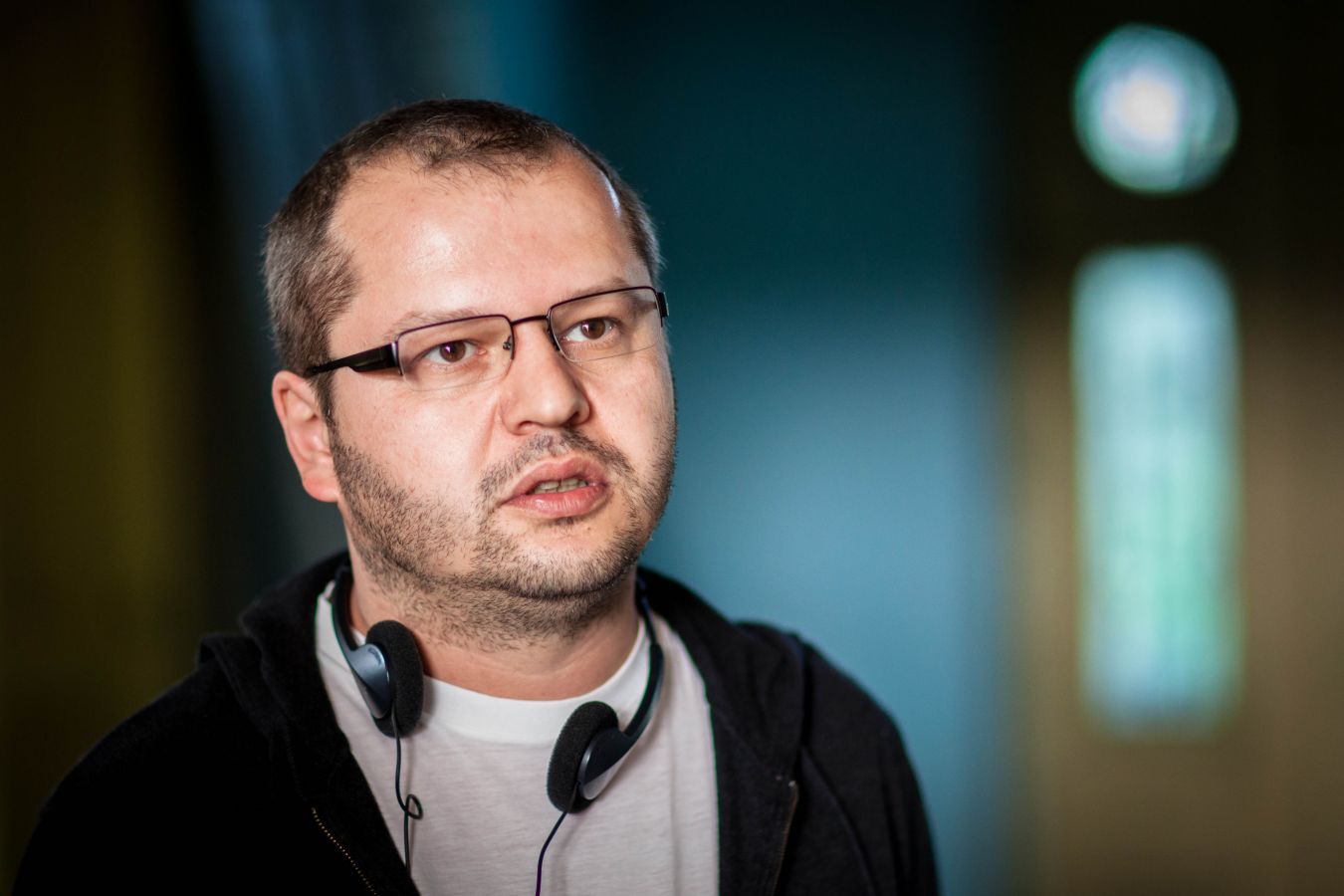
Corneliu Porumboiu, the son of a soccer referee, is one of the directors who defined the Romanian New Wave. Not often a director gets their first feature film awarded at Cannes Film Festival, but that’s what happened to Porumboiu. 12:08 East of Bucharest was the film that put him on the cinema map, but he certainly didn’t stop his explorations there. Here are some of his films you might like to watch: Police, Adjective – 2009 The Second Game – 2011 The Treasure – 2015. What Porumboiu does best, without any judgement or pretense of owning ‘the truth’, is ask… [Read more]
-
What makes a hero?
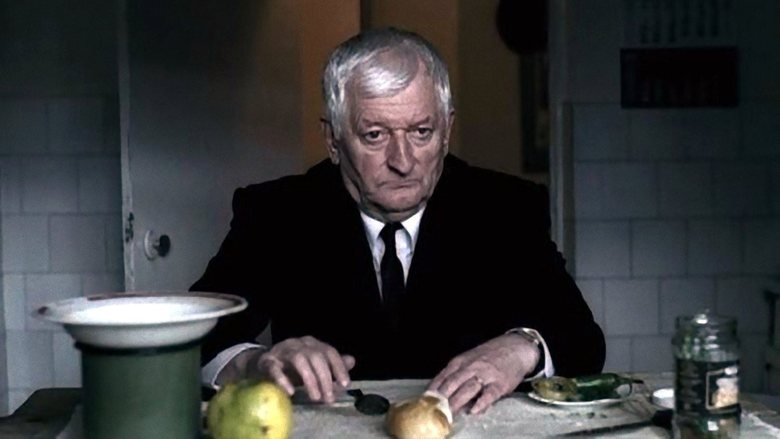
‘Everybody is a revolutionary in their own way,’ says Piscoci, the retiree in 12:08 East of Europe. In a plot determined to identify a specific type of hero, his reflection brings us back to the reality of everyday life, every day courage. We think of heroes as courageous, brave, willing to make sacrifices without any personal gain. But can a hero be an ordinary person? If asked to think of the heroes in our own lives, we might think of a parent, a grandparent, a sibling, ordinary people that face live and adversities as best as they can. What do… [Read more]
-
History live on TV
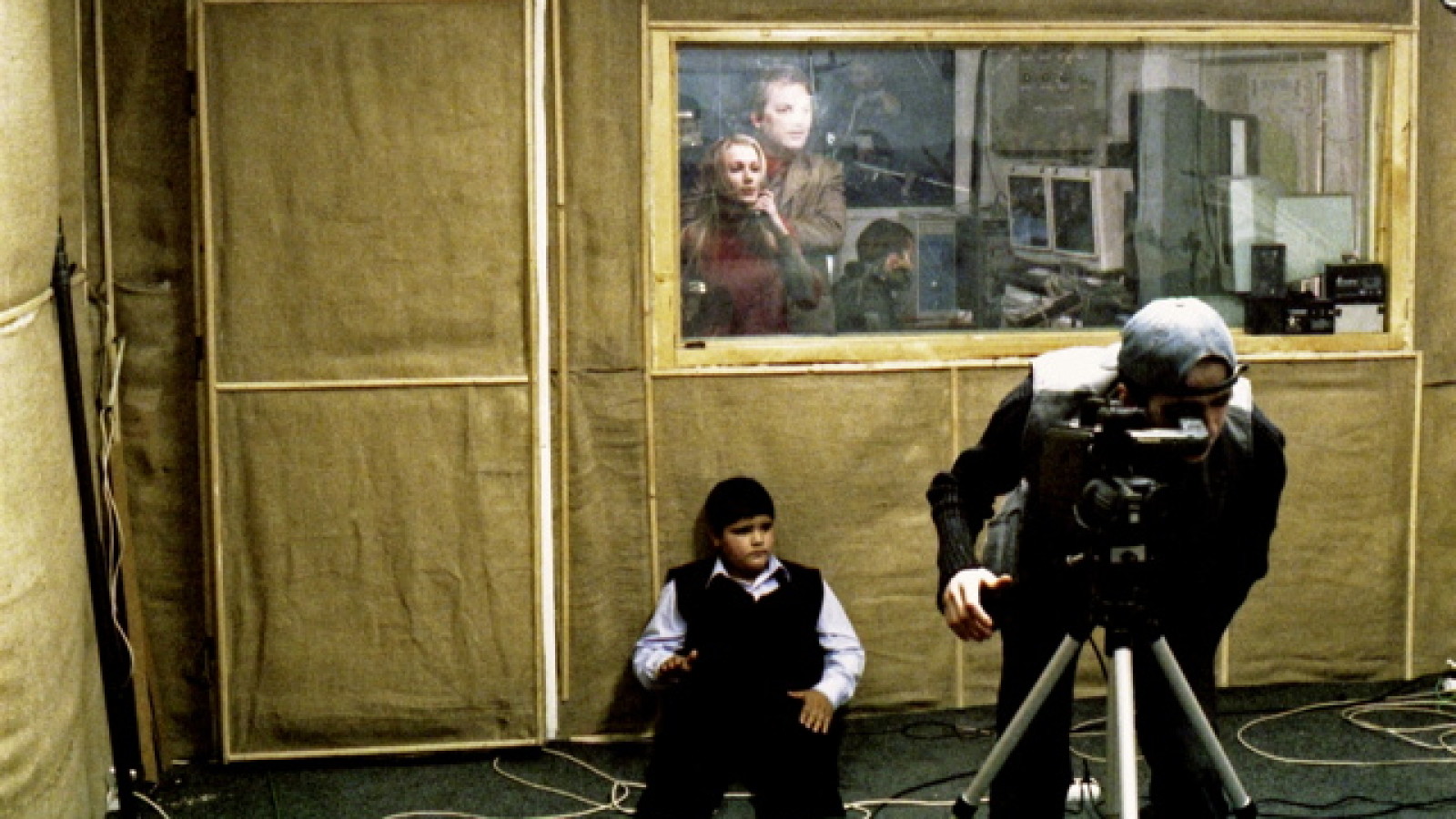
The Romanian revolution of 1989 was as much a live TV event as a street revolt, storming into people’s lives from behind the screens. Revolutionaries took refuge in the National Television building, where they broadcast through the noise of bullets the uprising happening on the streets. You could say it was reality TV, only of a different kind. No script, danger palpable, lives forever disrupted. Every year around 23 of December, Romanian TV programs would scramble to unveil new facts, new heroes, new angles for understanding history. Do you remember living through significant events glued to your TV, your life… [Read more]
-
Riding the Romanian New Wave in cinema
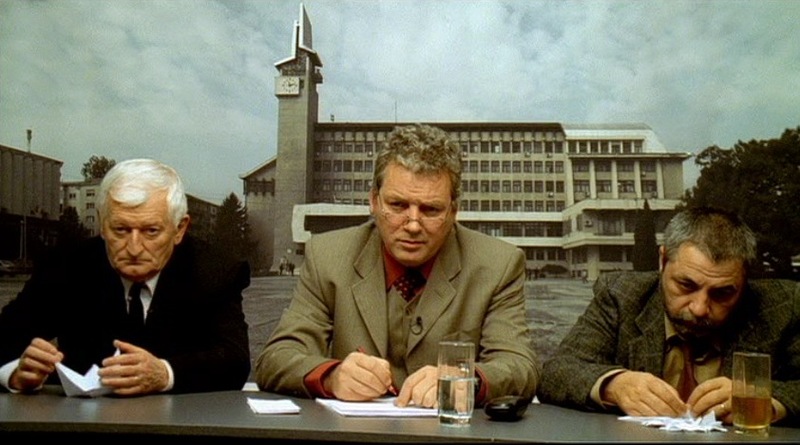
An alcoholic history teacher, a widower and a small town TV presenter walk into a television studio… that is the premise of our next EuRaw Stories film. Corneliu Porumboiu’s 12:08 East of Bucharest is one of the first films that signaled the arrival of the Romanian New Wave in cinema (which continues to thrive with another win at Cannes this year). At 12:08pm on 22 December 1989 dictator Nicolae Ceausescu was overthrown through a popular revolution. Hearing about the unrest on TV, people around the country flocked to the streets to protest against Ceausescu and support the uprising. 16 years… [Read more]
-
Surprise guest at ‘Since Otar Left’ screening
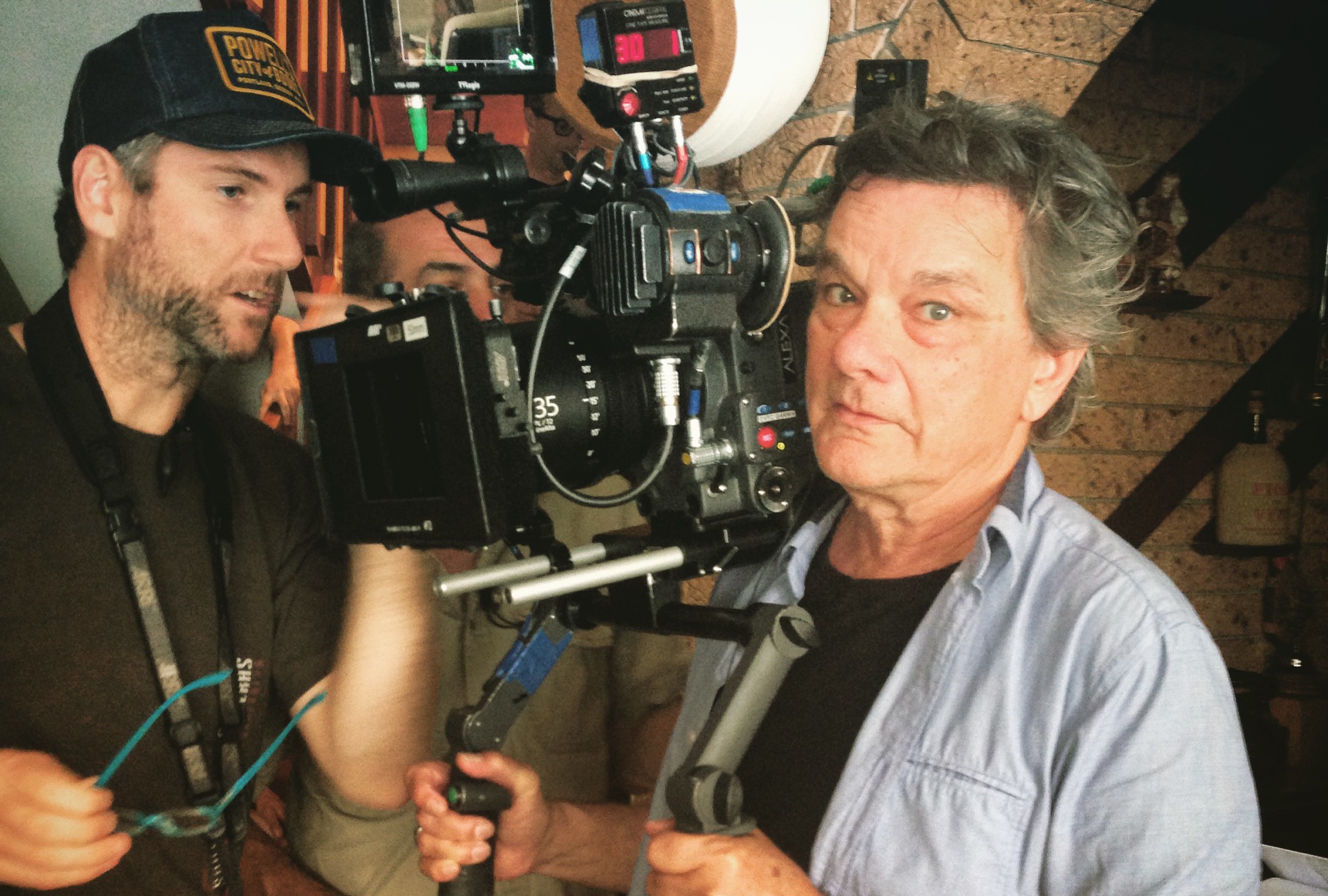
We’re very happy to have with us in the audience one of Australia’s best television directors, Geoffrey Bennet! Geoff has set up and directed some of the most popular TV shows like Heartbreak High, Wildside, Water Rats, Love My Way, Underbelly, All Saints, Rush, House Husbands, Love Child, and also launched Delta Goodrem’s acting career in Hating Alison Ashley, directed Jessica Mauboy in the soon to launch Secret Daughter and many other titles. Hopefully we’ll have a chat to him after the screening. So come down in a few hours to The Dock – the weather’s bad so this is… [Read more]
-
Our choice of Eastern European films at MIFF

Every year Melbourne International Film Festival takes us on a journey around the world. The festival opens tonight so here’s our top 5 Eastern European picks for this year: 1. Graduation (Romania 2016) directed by Palme D’Or winner Cristian Mungiu, and the director of the short film Turkey Girl screened at Euraw Stories with the collection Lost and Found. Graduation won him best Direction at Cannes Film Festival this year. The film is a suspenseful thriller about a middle aged doctor who takes matters into his own hands when his teenage daughter is sexually assaulted in the eve of passing her exams on her way… [Read more]
-
It’s never too late…
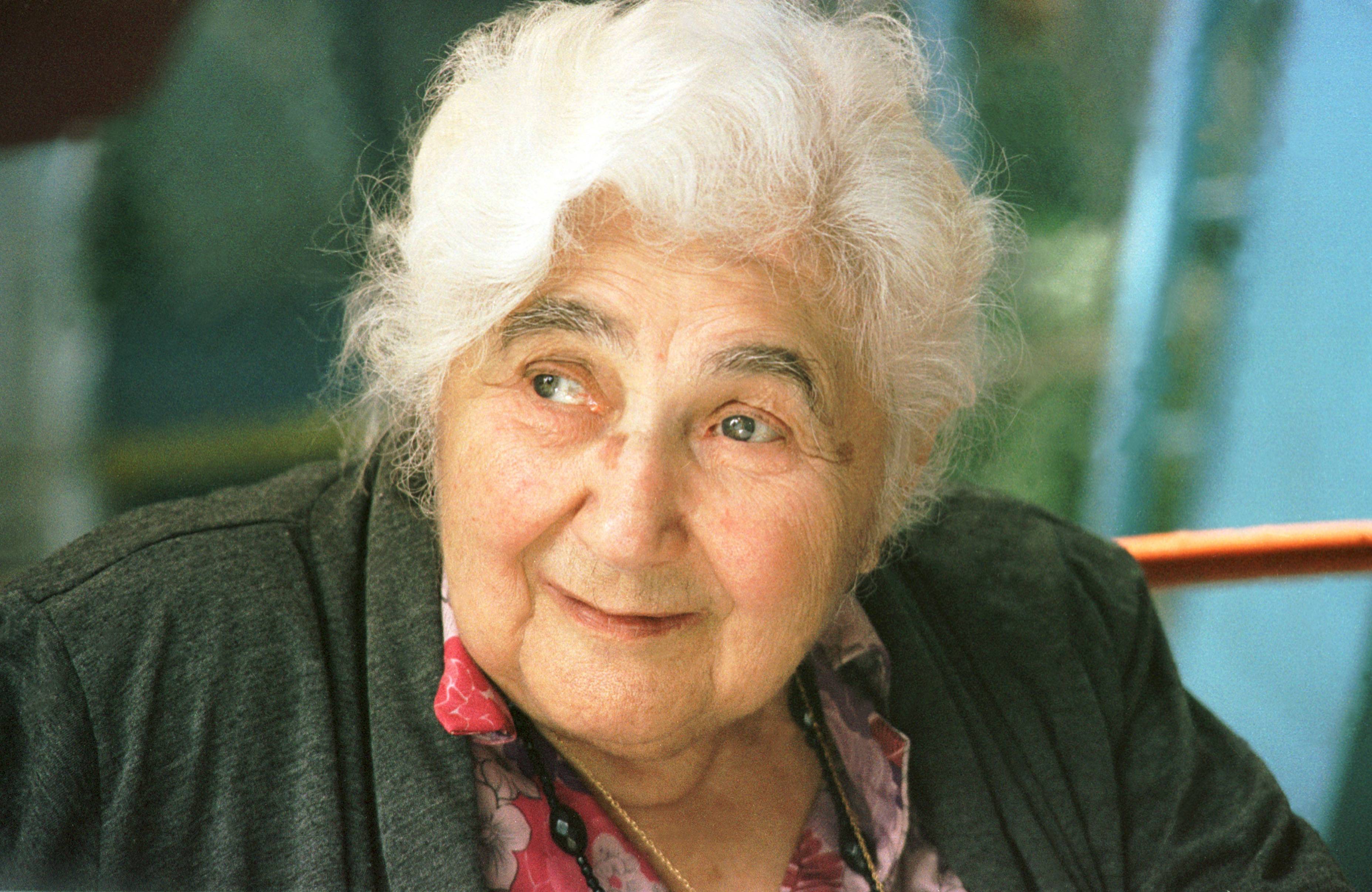
…to start a new career or follow a dream. Like starting to act at 85, which is what Esther Gorintin (aka Eka in Since Otar left) did. ‘All three actresses are wonderful, but…the best actress currently on New York screens is Esther Gorintin, a 90-year-old Pole who provides the emotional centre for Julie Bertucceli’s delicate, bittersweet comedy-drama.’ So raved The New York Post when they set their eyes on Esther. And their praise was mirrored by many other critics. Reading these reviews, it’s hard to imagine Esther hasn’t been acting her whole life. Make up your mind about Esther’s acting… [Read more]
-
In Europe or not in Europe
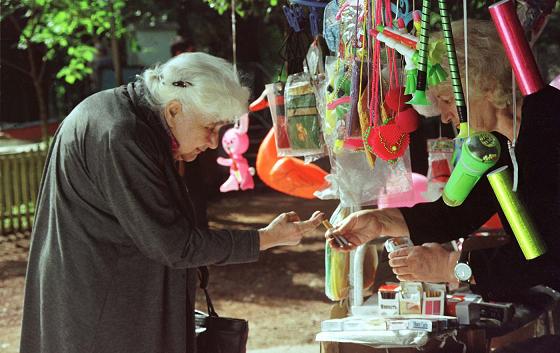
Maybe you’re wondering why we’re screening a Georgian film, when geographically, Georgia might not be part of Europe at all. Most Georgians themselves like to think it is. We thought there are enough cultural similarities to warrant its presence in our program. Georgia was part of the former Soviet Union alongside other Eastern European countries, it has a diverse and multicultural population, and yes, it also displayed clear signs of that fascination with the West. Unrelated but note-worthy, Georgia gave the world comrade Stalin, a figure still strangely revered by its co-nationals, maybe as a claim to fame. Rumour has it… [Read more]