How are you going now that you’re doing everything from the confinements of your home? Have you managed to keep some kind of a decent relationship with all the others who share the same prison as you? Your family members, or maybe your partner, kids, parents, house mates? Or if you’re on your own, do you feel like smudging the bathroom mirror with toothpaste by now?
It could be worse, you could have all the freedom and still feel trapped like the couple in this film, in a passive aggressive funny nightmare. Watch their silent bickering escalate to a very surprising and (hopefully not just for me) a sweet ending.
I am sure you’ve noticed, we have taken a break this year. If you’re missing our screenings, check this page once in a while. We’ll post movie links and short films to keep the Euraw spirit alive.
I believe we’ve posted this one before, but this short film is so relevant now. And I don’t know about you but I tear up every time I watch it. The story is really simple but the performances are superb. Luminita Gheorghiu is the queen of Romanian New Wave.
Stay safe and love one another. And now that all social events have been cancelled most of us will become avid online movie watchers. But when you’re surfing the web for something new, try to also look for titles from The Other Europe.
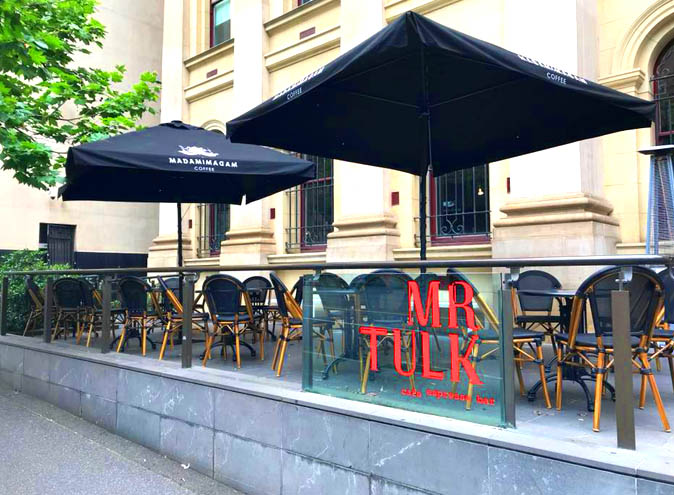
We’d love to invite you to our 2020 Annual General Meeting. If you are a member with a 3 month or a 10 month pass, or if you’d like to get involved and join the Euraw Inc Committee, join us this Saturday (the 18th) from 10:30-12:30 at Mr Tulk (on the La Trobe side of the State Library) for brunch and a chat.
On the agenda:
2019 rundown and wrap up
reiterate the Board/Committee structure
what’s on for 2020: discuss the future program of Euraw Stories
chat, nibble, socialise
All pass holders are welcome to participate and join the Euяaw Inc Committee and help our events grow bigger and run better.
See you on Saturday at Mr Tulk, corner of Swanston and La Trobe St, within the State Library of Victoria.
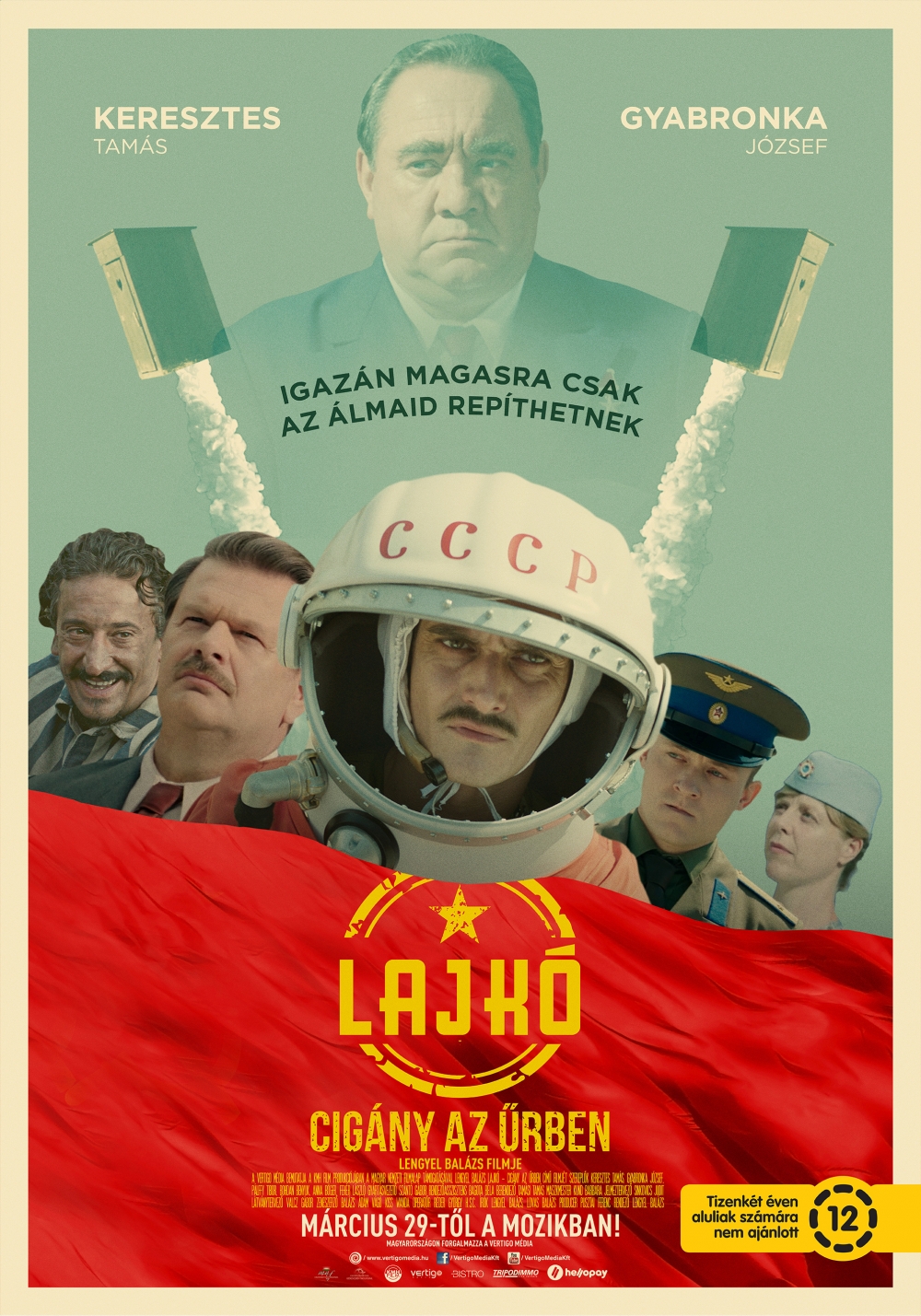
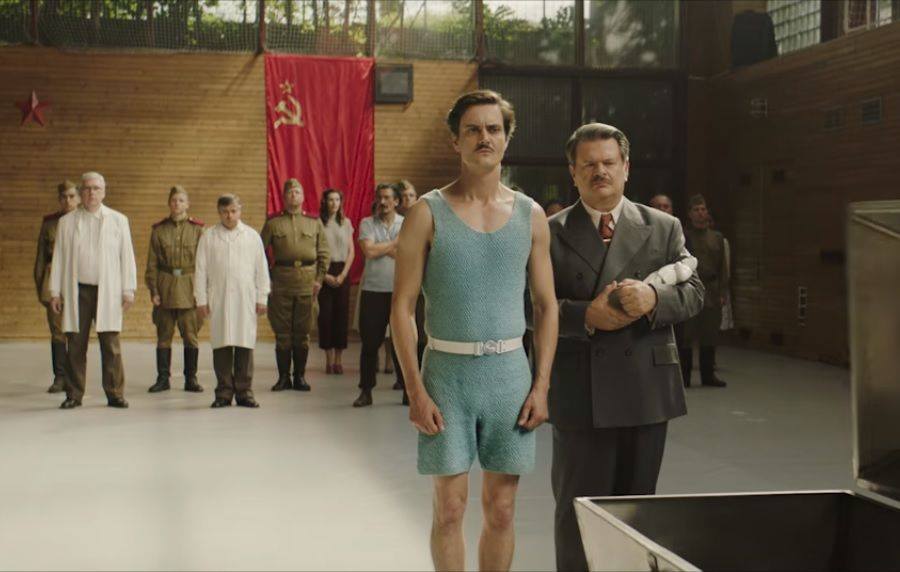
This black comedy allows us to learn that the first living being in space was not actually a dog called Lajka but a Hungarian crop-sprayer by the name of Lajkó.
Drama 1’30 min
Director: Balázs Lengyel
Languages: Hungarian
In early 1957, the Soviet Union decides to give Hungary the honour of providing the first cosmonaut to orbit in space. The most suitable candidate turns out to be none other than Lajos Serbán, known to all as Lajkó, whose life as a pilot reflects his lifelong attraction to the stars and an unexplored infinity with outer space.
When he is eventually selected for this daring mission, he has little notion of the fact that it is not by chance that his dreams are set to come true.
On this day 30 years ago, an important event occurred: the ideological and physical division between east and west was finally removed. On the night of the 9th of November 1989 the commander of the Bornholmer Straße border crossing yielded, allowing for the guards to open the checkpoints and allowing people through with little or no identity checking. As the Ossis swarmed through, they were greeted by Wessis waiting with flowers and champagne amid wild rejoicing. Soon afterward, a crowd of West Berliners jumped on top of the Wall and were soon joined by East German youngsters.
To commemorate this event we’ll screen a hilarious German film that captures the transition East Berliners went through during those times.
Germany 2003
Drama/Comedy 2 hours
Director: Wolfgang Becker
Languages: German
In October 1989, right before the fall of the Berlin Wall, Alex Kerner (Daniel Brühl) is living with his mom, Christiane (Kathrin Sass), and sister, Ariane (Maria Simon). But when the mother, a loyal party member, sees Alex participating in an anti-communist rally, she falls into a coma and misses the revolution. After she wakes, doctors say any jarring event could make her have a heart attack, meaning the family must go to great lengths to pretend communism still reigns in Berlin.
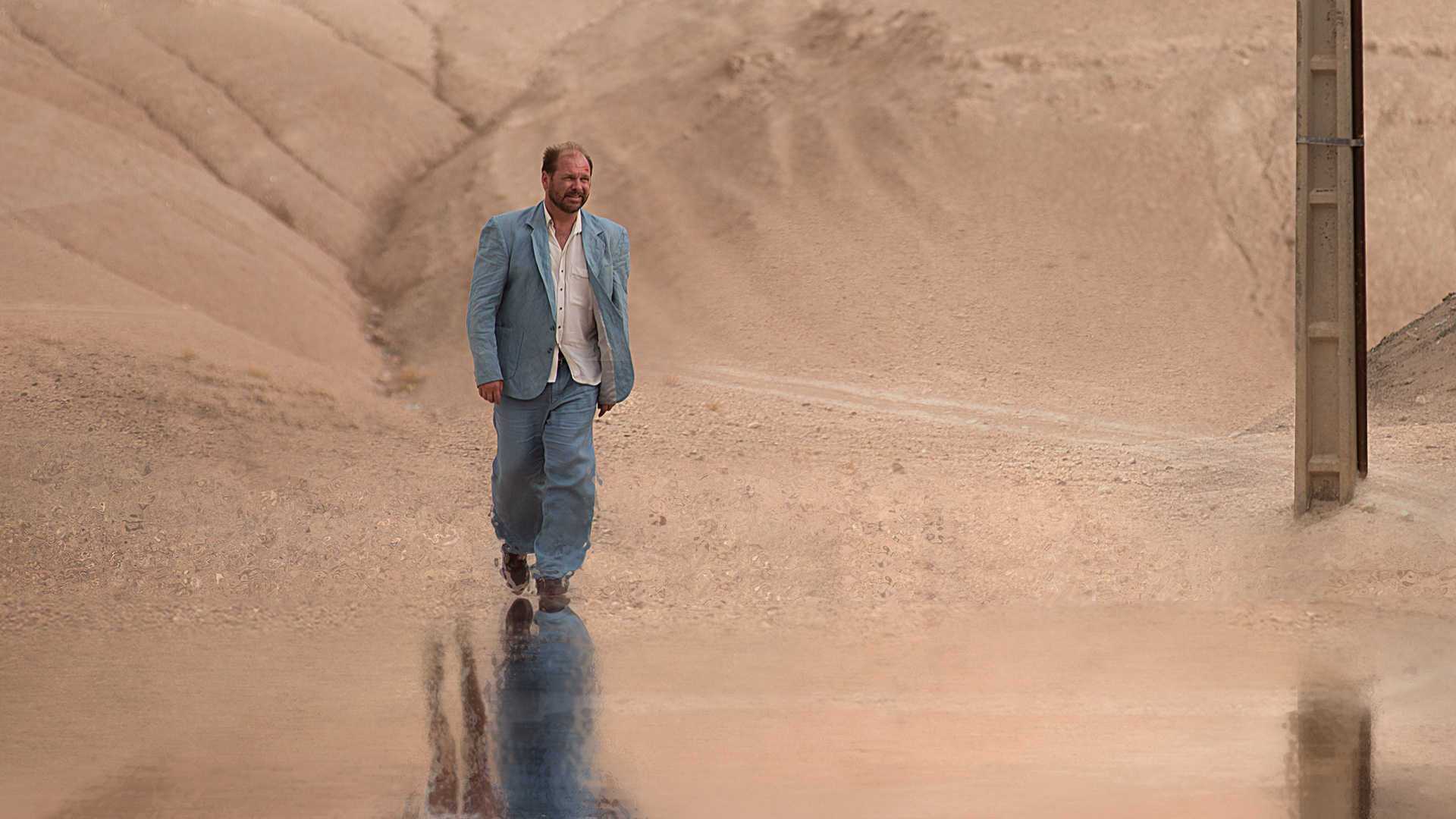
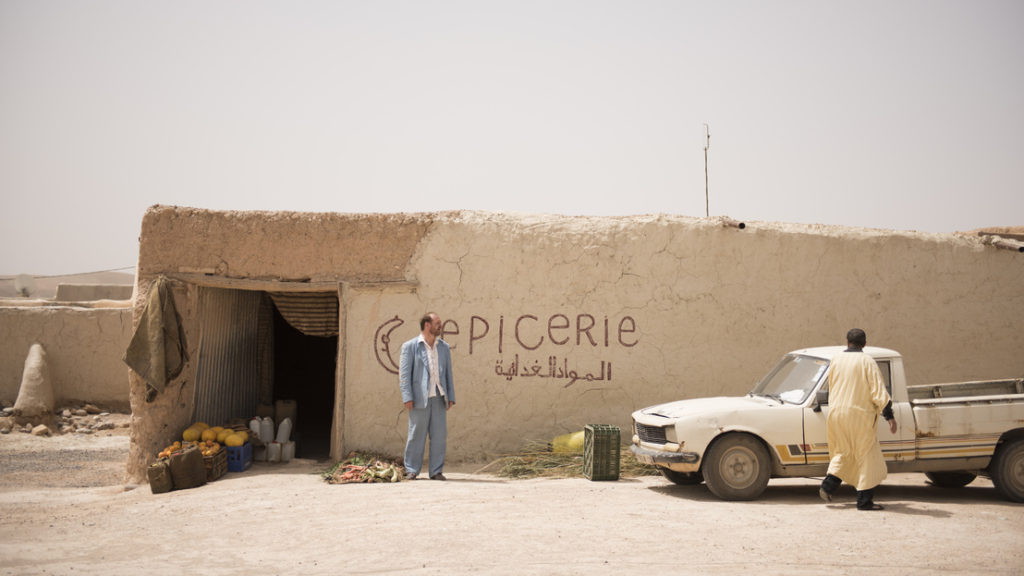
In true European style, Hier is a coproduction between 6 countries, directed by a Hungarian, with a Romanian lead actor, spoken in French and English, and shot in Morocco. It’s also known by three names: French – Hier, English – Yesterday, Hungarian – Tegnap.
Hungary, France, Netherlands, Sweden, Germany, Morocco 2018
Drama 1’59 min
Director: Bálint Kenyeres
Languages: French
The central character, 50-year-old Victor Ganz owns a thriving building and civil engineering company that operates worldwide. Some very costly problems on a building site in North Africa mean he has to go there (he hates traveling), to a country where he is confronted with memories of his youth, which have been carefully buried in the depths of his mind. Meetings in ministries, disinformation, the reappearance of a past love who had mysteriously disappeared, an investigation in the local underground to find her: Victor Ganz slowly plunges into a labyrinthine world where present and past intertwine.
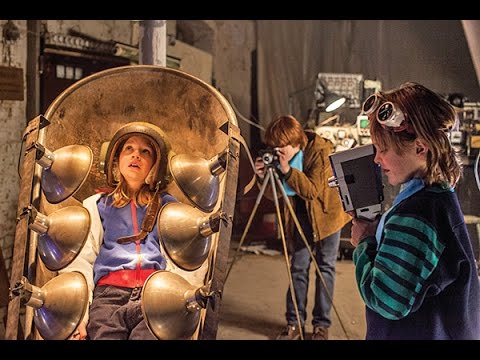
Germany/ Czech Republic 2013 Adventure/ Comedy 1’30 min Director: Markus Dietrich Languages: German
https://www.youtube.com/watch?v=RnicT2UGQD4
For ten-year-old Friederike October 1989 gets off to a disastrous start: her beloved Uncle Mike (27) is expelled from the GDR and has to leave the country within 48 hours. Inspired by her big idol Captain Burgh, Friederike and her friends Jonathan (10) and Fabian (10) construct a teleporting machine to “beam” her uncle Mike back to the GDR. But the experiment dramatically fails. Instead of successfully beaming the three kids across, the entire village population disappears! For a moment it seems that Frederike and her friends are the last remaining kids on earth. But TV proves what Frederike had immediately suspected: they have managed to beam everybody but themselves to West Berlin. They witness on TV how their families and friends desperately try to climb back over the Wall to their home country. Only quick thinking and action can undo the experiment and prevent the worst from happening before the border guards open fire. A race against time and the nasty local policeman Mauder begins.
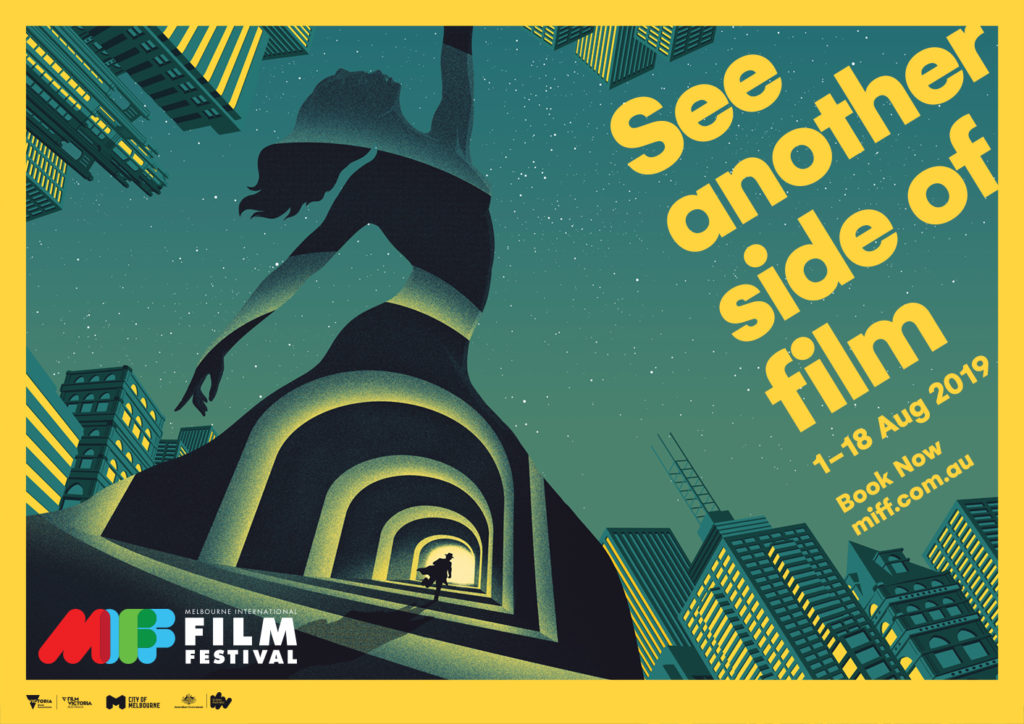
Here we are, our favourite time of the year is upon us. Euraw Stories normally takes a break in August so you can watch the best movies from around the world – but please keep an eye on our website and the facebook page for updates regarding our next screening.
This year MIFF offers a great selection of Eastern European cinema with a special retrospective on an amazing female filmmaker, Agnieszka Holland (Spoor, screened in our 2018 program). In honour of her newest film, Mr. Jones, MIFF screens eight titles, including the Golden Globe-winning Europa Europa and her Oscar-nominated works In Darkness and Angry Harvest. We urge you to book at least one of the titles directed by Agnieszka, director of episodes in House Of Cards, The Wire, Treme.
Here are our picks of stories from the other Europe screening this year at MIFF.
Directors: André Singer, Werner Herzog / Country: Germany USA UK (2018)
The inimitable Werner Herzog presents a disarmingly personal conversation with the man who drew back the Iron Curtain, Mikhail Gorbachev.
One of the most visionary politicians of our lifetime, former Soviet president Mikhail Gorbachev was the architect of the opening Russia to the world. Through three extensive conversations, Herzog and long-time collaborator André Singer discover an 87-year-old statesman and Nobel Prize winner, in waning health, reflective but resolute.
These intimate exchanges are backed by interviews with the major players of the glasnost and perestroika era (including George P Shultz, James A Baker III and Lech Walesa), and illuminating archival footage. Packed with emotion – triumph, hope, regret – Meeting Gorbachev is a unique take on the political documentary. With the life story at its centre, Herzog’s film shares how a headstrong farm boy thawed the Cold War and reshaped the lives of millions.
“Confessional and sincere, Meeting Gorbachev humanizes both its creator and its subject.” – Vulture
From Cannes where Balagov was awarded the best director and won the Fipresci award in the Un Certain Regard section, comes an intense story about two women building new lives in the war-collapsed Leningrad of 1945.
‘Inspired by Svetlana Alexievich’s book “The Unwomanly Face of War”, “Beanpole” tells a glacially paced but gorgeously plotted story about two best friends who grow so desperate for any kind of personal agency that they start using each other to answer the unsolvable arithmetic of life and death.’
Emerging Afghan filmmaker Shahrbanoo Sadat delights with an 80s-set mixture of realism and inspired Bollywood-style musical, set on the streets of Kabul.
Premiering at Cannes’ prestigious Director’s Fortnight, the second feature from rising Afghan writer/director Shahrbanoo Sadat is a follow-up to her acclaimed 2016 debut, Wolf and Sheep. Qodratollah Qadiri stars as orphan Qodrat, a daydreaming 15-year-old selling movie tickets on the streets of Kabul in the late 1980s. Taken to a Soviet orphanage by police, Qodrat and his fellow teenagers soon find themselves defending their home in the wake of the Islamist government takeover.
Mixing gorgeously lensed realism with folklore and unlikely, affectionate bursts of Bollywood musical, Sadat sensitively evokes both the interior world of her protagonist and the turbulent political climate of the era, successfully crafting a humanist experience with a dash of fantasy.
“Balances a clear-eyed re-creation of a teen’s time in an orphanage with a certain nostalgia for childhood innocence.” – Variety
Director: László Nemes / Country: FranceHungary (2018)
Winner of the FIPRESCI Prize at the 2018 Venice Film Festival, this allegorical mystery offers a decadent premonition of Europe in chaos.
In 1913, 20-year-old Irisz Leiter returns home to Budapest, hoping to follow in the footsteps of the milliner parents she lost tragically at age two. But a sleek businessman now runs Leiter Hats; and while the city feverishly prepares to receive the Habsburg royals, Irisz senses dark undercurrents beneath the glamour.
Just as a hat is steamed, blocked and trimmed to take on its final shape, Irisz methodically sets out to make sense of her family’s secrets. She uncovers a suspicious fire, a notorious hidden brother, a shadowy German count… and social climbers who hate inconvenient questions.
Director László Nemes follows his Oscar-winning Son of Saul with this disorienting, even hallucinatory quest. By applying his intensely subjective hand-held camera to a refined society on the brink of mayhem, Nemes reminds us how quickly certainties can unravel, and how easily tyranny can take root. He also slyly invites us to ponder Europe’s uncertain political future – every day has a sunset.
“The direction is immaculate … a stimulating vision, an eye-opening process.” – FIPRESCI
Director: Corneliu Porumboiu / Country: Germany France Romania (2019)
https://www.youtube.com/watch?v=qVf8QU0F2MQ
The Romanian New Wave ventures to the Canary Islands in Corneliu Porumboiu’s noir-ish crime caper, which takes more than a few cues from Hitchcock, gleefully name-checks John Ford and plays up the writer/director’s own offbeat sensibilities.
Ten years after the events of Porumboiu’s Police, Adjective, Bucharest detective Cristi is still on the job. As well as upholding the law, however, he’s also taking orders from European mobsters. To skirt the ever-listening ears of state surveillance, and to help his mafia cronies bust one of their money-laundering heavies out of jail, the wearied cop is given a new task: learning an ancestral whistling language.
Since his Camera d’Or-winning debut 12:08 East of Bucharest (MIFF 2008), Porumboiu has excelled at spinning over-sized exploits around unhappy everyman, a trend he continues in this blackly comic, thrillingly entertaining genre piece – a fast-paced blend of gangster, heist and espionage antics.
“Expands the horizons of New Romanian Cinema, offering up a sequel to social realism just as it began to get stale.” – The Playlist
Other titles worth seeing:
Take Me Somewhere Nice – Director: Ena Sendijarević/ Country: Bosnia and Herzegovina (2019)
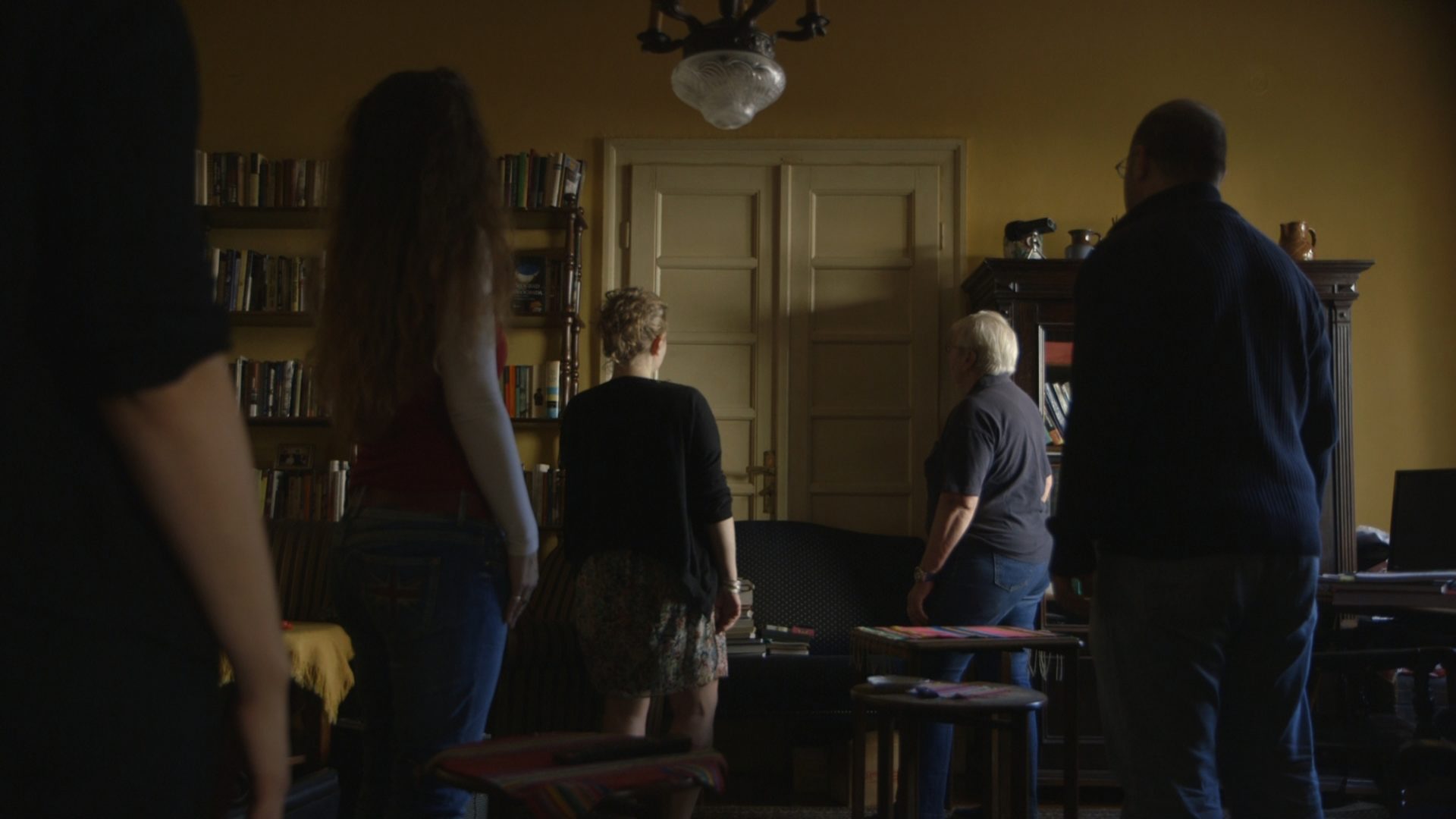
A locked door inside a Belgrade apartment has kept one family separated from their past for over 70 years. As the filmmaker begins an intimate conversation with her mother, the political fault line running through their home reveals a house and a country haunted by history. The chronicle of a family in Serbia turns into a searing portrait of an activist in times of great turmoil, questioning the responsibility of each generation to fight for their future.
Serbia 2018
Documentary 1’44 min
Director: Mila Turajlić
Languages: Serbian
FROM THE DIRECTOR
I want to speak of my country from a very personal angle, and from a very precise point of departure – the place where I live. The more I stare at the locked doors that I have been faced with all my life, the more I realize how much about Serbia can be understood by talking about divided spaces.
The plot of the film grows like a spiral: A personal investigation into divided space (unfolds) a family chronicle (which becomes) an account of turbulent times (that ends up portraying) a story of a country.
While the story unfolds inside the apartment, the view from the windows lets us enter a Serbia rarely ever seen in the media. I have been filming from the windows for the past 10 years, creating an archive of dramatic and intimate moments taking place on the streets below.
What is the story behind a locked door and an apartment full of history? That an individual is powerless before the forces of politics, or that she is defined by the choices she makes in those situations?